Rain-Proof Move Day Setup: Tarps, Paths, and Quick Access
Rain changes a move in ways that catch people off guard. Cardboard softens. Tape lifts. Handholds get slick. The route you planned from front door to truck becomes a puddle map, and your schedule starts to wobble. The fix is not magical gear, it is a pattern: create covered staging where things wait dry, lay non-slip paths that drain instead of pooling, separate fast-access items so you are not digging in the rain, and keep a short feedback loop between the door and the truck crew. When those four pieces click, rain adds minutes, not hours.
I have worked plenty of moves where the forecast promised light showers, then delivered a sideways downpour right at load time. The families who kept their floors clean and their furniture dry did a few deceptively simple things right. They thought about water like it was another mover that follows you everywhere. If you can see where water will go, you can stay one step ahead of it.
The job of tarps: roof, walls, and floor
A tarp is not just a roof, it can be a wall and, used carefully, a temporary floor. Different tarps do different jobs. Think about the weave, thickness, and size. A light blue tarp is fine as a windbreak around a covered carport, but it flaps and tears when stretched as a roof over a wide span. Heavy, coated tarps are better for overhead cover and a ground barrier under staging pallets.
Overhead cover only works if the water has somewhere to go. Aim for tension and slope, not a square sheet drooping in the center. A center sag becomes a bathtub. Tighten the highest edge using fixed anchor points like fence posts, truck tie-down rails, or masonry anchors. Give the low edge a clean drip line so it sheds away from the carry path. When possible, orient the open side away from the wind. Every gust that blows rain under your cover defeats the whole point.
As a makeshift wall, a vertical tarp blocks drift and keeps spray off open boxes. Clip the sides to uprights and weight the bottom with a two-by-four or a line of bricks. Grommets are your friend, but do not pull them until they tear. Spread the load with webbing or a short stick under the tarp hem when you need more tension.
Floor tarps are tricky. Poly is slippery when wet. If you must use a tarp as a temporary ground cover, add friction. Put it over rubber-backed runners, or lay it on a base of cardboard sheets, then top with a non-slip mat. Better yet, use the tarp under pallets so boxes and wrapped furniture stay off the ground while your walking surface remains grippy.
A Perfect Mover Moving and Storage Service: how we lay weather cover without losing time
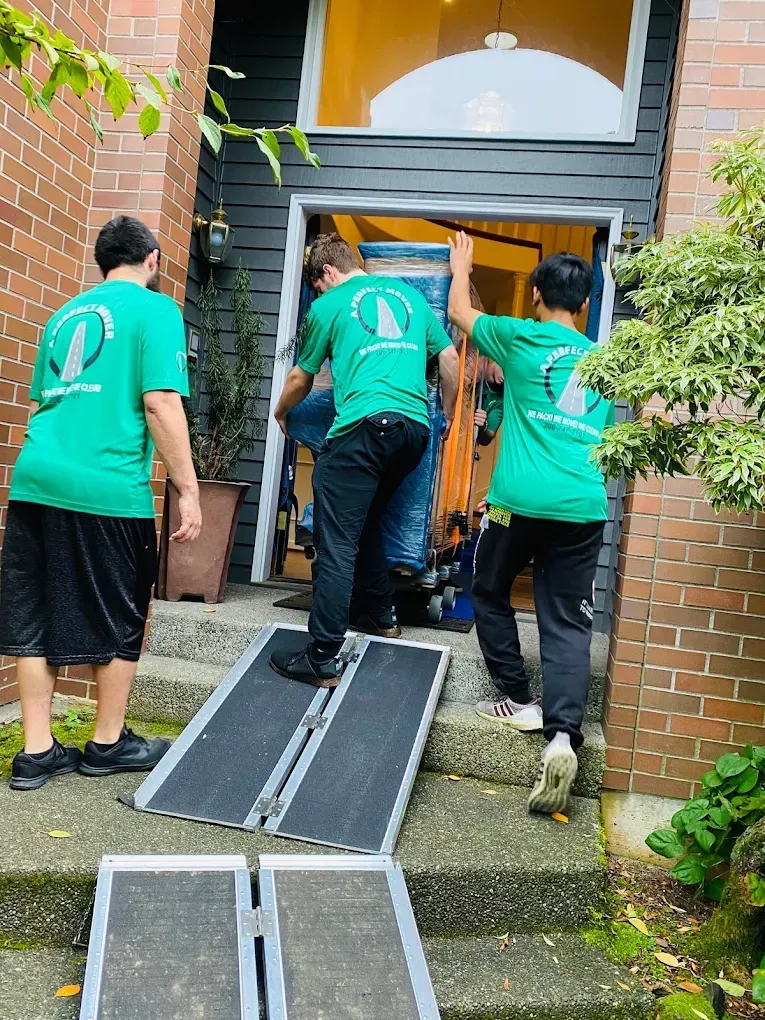
Crews who work through Pacific Northwest rain learn a rhythm. With A Perfect Mover Moving and Storage Service, the lead usually assigns one person as the weather hand during setup. That person checks gutters, locates downspouts and roof drip lines, and decides where to anchor cover so runoff heads away from the carry. We set one main canopy near the door at load-out, a second at the truck ramp, and a short-run cover for any gap where the walkway has no eaves. The canopies connect the dots, so no one stands holding a soaked dresser in no-man’s-land while a sheet of rain falls between shelter points. The crew can keep moving, which matters more than any single gadget.
On a townhouse move in Mukilteo, wind came up hard just as we staged the first load. We dropped the canopy legs on the windward side by a few inches, tightened guy lines to the leeward, and added sandbags to the feet. Shortening the windward side cut the lift under the cover. That small adjustment saved the canopy and kept a standing water line off the entry mat.
Build a path that grips and drains
If you have ever watched a mover lose footing on wet concrete, you know the cost of a bad path. You need something that encourages grip and sheds water. Rubber-backed runners, outdoor carpet strips, or moving blankets inside plastic runner protectors can work. Indoors, paper runner with a slip-resistant backing protects floors and gives a bit of traction. In older homes with softer finishes, add rosin paper under plastic to keep the seal from sweating and lifting paint.
Avoid a single continuous plastic sheet from the door to the truck. It turns into a slipway. Break the run into sections with overlaps that step downstream. The goal is to keep water moving away from the house. A slight downhill overlap, two inches at least, stops water from running under the edges and into the foyer.
On gravel or mud, skip the plastic entirely. Lay down plywood sheets or composite boards to make a boardwalk. A pair of 4-by-8 sheets leapfrogged forward gives you a stable route. Even four sheets can bridge a long stretch once you get the cadence right. On a recent Lake Forest Park job, we used pallet tops and plywood to span a churned-up parking strip. It kept dollies rolling and wheels out of the muck, which also kept the truck interior clean.
Quick access saves the day when the rain is loudest
Rain becomes noise. It drowns out simple questions and slows small decisions. Quick access gear cuts through the delay. Think about what you will need in the first two hours at the new place, then again in the first night. Pack those into bright bins or bags that can ride first on, last off. Label them in fat marker on two sides. Keep one bin purely for door and floor protection at the destination: runner, towels, trash bags, gloves, painter’s tape, and a handful of binder clips to secure plastic to stair rails without residue.
For apartments or condos with elevator windows, time your quick access arrival to your elevator slot. Nothing wastes more effort than standing with your bedding and kitchen bin while an elevator sits five minutes out of service because the previous crew ran long. In Bellevue high-rises, we keep a slim “elevator kit” that includes a squeegee, spare pads, and a small fan. If rainwater trails into the cab, a couple minutes of cleanup keeps building management happy and your elevator slot intact.
Staging outside in the rain without inviting chaos
Think of staging as an airlock between the house and the truck. Done right, it isolates your clean interior from the wet exterior and keeps a tight rotation of pieces headed out. We usually choose a garage, carport, or a pop-up canopy near the door. The staging footprint needs three lanes: incoming, ready-to-load, and empty returns. Mixed lanes create hesitation, and hesitation burns minutes while hands are full and shoulders are getting wet.
Pallets under the staging area are worth the trouble. A few plastic or wood pallets raise boxes above splashes and keep cardboard out of standing water. Layer a tarp under the pallets to keep the ground from wicking up. Put your heaviest, most water-resistant items closest to the wet edge: sealed totes, plastic-wrapped furniture, then cardboard farther back. When a gust blows rain sideways, the first line of defense is the gear that can take it.
Wrap and bag strategy when the sky opens
Shrink wrap does not make furniture waterproof. It blocks scuffs and keeps drawers shut, but water can run down and wick under edges. For any piece with unfinished wood or fabric, add a moving blanket under the wrap. The blanket holds moisture away from surfaces long enough to move from house to truck. For mattresses, use true mattress bags, not improvised plastic. Tape the opening, but leave a small vent on the underside so air can escape while carrying, which keeps the bag from ballooning and catching wind.
Electronics demand extra patience. Monitors and TVs should ride in boxes or crates with A Perfect Mover Moving and Storage Service moving company seattle foam corners if available. In rain, add a trash bag around the boxed unit while you carry, then peel the bag off before stacking in the truck. Never trap a wet bag against the cardboard for the ride, or you will find soft walls and warped flaps at unload.
Books are the sleeper risk. They wick moisture fast. If you cannot keep them fully covered during the carry, pause and add a second layer of bag or a plastic tote. I have opened a box of books after a single wet carry to find the bottom row already bowing. It is a small change to protect one of the most damage-prone categories.
Two simple lists to keep your rain plan tight
Here are two short checklists we use when weather threatens. Keep them lean and visible during setup.
- Site scan: gutters and drip lines, anchor points for cover, truck orientation for ramp shelter, safest path with fewest puddles, indoor floor protection ready at the threshold. Gear at the door: door jamb protector, non-slip runner, towels and a squeegee, trash bags for electronics and bedding, spare tape and binder clips for fast adjustments.
A Perfect Mover Moving and Storage Service on timing and roles
Rain adds complexity, which means roles matter more. With A Perfect Mover Moving and Storage Service, the lead calls a quick three-minute huddle once the cover and paths are set. One person is path monitor, checking runners for water or grit every ten minutes. Another is load gate, coordinating the order of pieces at the truck so the ramp stays flowing. A third is house guard, who watches the threshold, towels, and door latch covers to keep the entry dry and free of pinched fingers.
That simple division pays off when the rain shifts. On a Bothell split-level, a sudden squall blew under the eave. Our path monitor pivoted, closed the leeward gap with an extra runner, and radioed the lead to hold dollies for one minute while towels soaked up the puddle. Without that pause, two dollies would have slid at the top of the stairs. Ninety seconds saved a headache and maybe a claim.
Parking position and the rain shadow problem
Where you park the truck changes everything. If the forecast is active rain, park so the ramp sits in a rain shadow. A building corner, a big fir tree, even the tall side of a hedge can break the wind and reduce the rain angle. Backing the truck so the box shields the ramp is standard, but watch runoff from the roof. Some box trucks dump water right at the rear roll-up. If you see that, pop the door, wipe the track dry, and if needed, hang a short drip edge using a strip of magnetic sign material or gaffer tape and a plastic strip to push the drip away from the ramp threshold.
On tight streets in Edmonds or older Seattle corridors, your ramp may point to the crown of the road where water runs. Bring the ramp angle down a notch to reduce slip, and add a textured ramp mat if you have one. During a Lynnwood apartment job with a no-cone policy on a busy corridor, we used the truck’s curbside door for small items because the main ramp sat in a flowing gutter. It slowed the big pieces by five minutes but kept people upright.
Floor protection that survives wet boots
The most common mistake is overprotecting the floor with the wrong material. Pure plastic on hardwood becomes a skate rink. Pure paper on carpet turns to pulp. A two-layer approach works best. For hardwood, lay rosin paper, then a sticky-edge plastic runner. The paper wicks and levels, the plastic takes abrasion and spills. For carpet, use heavy-duty carpet film, then add rubber-backed runners in high-turn areas like the bottom of stairs and the pivot at the hallway corner.
At the entrance, put a heavy bristle mat outside, towels ready inside, and a sheet of cardboard as the first landing. The mat knocks off grit, the towels catch drips, and the cardboard spreads load so the towel does not bunch. Swap towels every twenty minutes when the rain is steady. A small box fan angled low at the threshold helps dry the area between waves.
Box handling when tape and labels get wet
Packing tape does not love water. When tape gets damp, it lifts, especially on recycled cardboard with a softer finish. During a wet move, reinforce box bottoms with an extra strip of tape before you stage them for carry. Wrap the tape all the way around the box if you expect more than a quick dash. For labels, write on two sides and the top, then add a strip of clear tape over the writing. If the surface is cold and wet, move to a dry staging spot and label there. In the truck, keep the label visible on the aisle side so you do not have to rotate in the rain at unload.
If you have to open a box while it is raining to find something, step under cover, cut carefully, and reseal with fresh tape inside the house or under the canopy. A half-closed box will wick water faster than a sealed one.
Furniture triage: what moves now, what waits two minutes
When the rain peaks, small decisions prevent big damage. Not everything should go immediately. Upholstered chairs without plastic wrap should wait under cover until someone bags them. Solid wood stained pieces can go with blanket and wrap, even in a shower, because the wrap sheds most water for the minute or two you are exposed. Veneered tops need extra care; edges swell if water gets under the wrap. Add a second blanket layer at corners and seams.
Glass and mirrors should be boxed or crated. If you must hand-carry a wrapped glass top between covers, carry vertically so rain cannot pool on the surface. Stop under the next cover to squeegee the wrap if droplets collect, then proceed. On a Mill Creek move, a glass cabinet door carried flat collected water at the center and then dripped into the cabinet frame. Vertical stance prevented a repeat.
Communication rhythm when everyone is under hoods and hats
People talk less when they are wet and cold. Your plan needs short, clear signals. Decide on hand signs or brief calls for hold, go, and door. When the truck calls for a hold because the stack needs a strap or the wall needs a rework, the house team freezes at the threshold, not halfway to the truck. That keeps the entry mats dry and avoids a cluster under the canopy. Equip the lead and the truck with radios or phones in zip bags if you have them. Otherwise, assign a runner who checks between stations every few minutes. It sounds like a luxury until you watch a team lose ten minutes because the house is pumping out staged pieces while the truck is reorganizing.
Drying the truck as you load
A wet truck floor is a rolling hazard. Keep a stack of towels and a squeegee at the ramp top. Every ten or fifteen minutes, pause one minute to dry the main standing area and the ramp. If your box has E-track or logistics posts, watch the drip points. Water runs down the walls and pools near the rear. Slide a folded moving blanket under the main staging corner to soak up drip. Swap it when it gets saturated. The trick is to keep the freight dry and the footing sure without stopping the flow.
If you are hauling long distance, avoid loading wet blankets or damp cardboard. Moisture trapped in a sealed truck for two days turns into mildew. If you must load slightly damp gear, open vents, leave an air gap near the rear, and plan a quick air-out when you reach dry weather or your destination.
What to do at the new place when the weather follows you
Unload strategy mirrors load strategy, but the risks shift. You want to avoid tracking water onto new floors, especially in new construction where finishes can scratch or cloud before the house even warms up. Lay runner and towels before the first box crosses the threshold. Assign a floor guard whose only job is the entry. If the landing is tight, set a small staging node just inside the door, then leapfrog to room destinations in batches. That reduces the number of trips crossing the threshold and gives the floor guard more control.
For high rises in Bellevue or Kirkland, elevator timing and building rules add another layer. Confirm the elevator pads are up before you start, and bring your own if building staff is delayed. Some buildings require a drip mat in the cab. A folded moving blanket works in a pinch, but swap it as soon as it gets wet to avoid drips down the shaft. Keep your quick access bins near the door, not buried mid-truck, so you can set up a bathroom and the beds even if the rain slows the main unload.
When partial packing makes sense on a wet week
Packing services do not have to be all or nothing. If your move week looks wet, consider partial packing for the items most sensitive to moisture. Kitchen glass, books, and electronics benefit from professional packing with proper cartons and waterproofing protocols. A crew can come the day before with dish packs, book boxes, and TV crates. That single step can save more time on a rainy load day than you might think, because you are not pausing to double-bag or fix soft bottoms at the door while the weather pushes you.
I have seen families do a smart split: they pack clothing and linens themselves, then have pros handle the media center, dining room, and library. On a November Seattle to Everett move, that strategy kept all fragile items dry and gave the crew a clean staging flow while the homeowners finished last-minute closets under cover.
Storage and staging when weather delays the move
Sometimes the rain becomes wind, and the wind becomes a safety issue. If you need to pause for a day, short-term storage or a truck holdover becomes part of the plan. With same-week closings or overlapping leases, you might need a partial unload into storage so you can reduce handling in the rain. Use climate-aware storage if you are holding items that do not like moisture, and stage the unit with aisles so quick access at unload remains easy. Keep the front of unit reserved for the beds, bathroom kit, and a folding table so you can assemble essentials even if the rest waits a day.
In our experience at A Perfect Mover Moving and Storage Service, pausing early is better than forcing the last hour in a downpour. A controlled layover with a clean, dry reload beats a rushed, wet finish that puts claims at risk. It is not about giving up on schedule, it is about protecting the things you own and the people carrying them.
Edge cases: stairs, hills, and night rain
Stairs in rain require the same choreography every time. One person spots from below, one carries high, and the path is dry before the lift. Do not accept “it is good enough” on wet treads. Wipe, then go. For exterior stairs, consider a temporary non-slip stair tread tape applied to the riser edges. It peels up later, but for day-of it adds grip that can prevent a slip with a sofa halfway up.
Hills add a different hazard. A ramp pointed downhill in wet conditions invites slides. If your driveway falls away from the house, park across the slope so the ramp runs crosswise with a flat landing at the top. On a steep Mukilteo driveway, we skipped the ramp entirely for heavy pieces and used a team carry to the truck side door at a flatter point. It took coordination, but it was safer than a wet slope.
Night rain stacks risks: low visibility, glare, and fatigue. Lighting solves more than half the problem. Bring three work lights, two for the path and one for the truck interior. Aim them low across the ground, not directly at eye level, to reduce glare off wet surfaces. Shorten carry distances and add a second staging point so each carry is shorter and more controlled. Build five-minute breaks into the rhythm to shake off water and reset.
A short rain script for the morning of the move
If weather looks iffy when you wake up, run a quick script before the crew arrives. Check the driveway for standing water and clear debris from drains. Walk the route you expect to use and note any slick spots. Put towels, runners, and your door kit by the entry. Stage quick access bins near the door. If you have pop-up canopies, assemble them loosely, then tighten and peg them once you see the wind direction. Confirm parking with neighbors or management so the truck can sit where the ramp gets shelter.
When the movers arrive, share what you saw. Point out the worst puddle and the slickest step. A two-minute handoff saves ten minutes of missteps later.
The mindset that keeps a wet move on track
Rain punishes assumptions. The teams that sail through accept that everything takes a hair longer and build micro-pauses into the flow to keep the path safe and the gear dry. They do not sprint to make up seconds, they trim waste by removing indecision and backtracks. Covered staging, non-slip paths, protected thresholds, and quick access bins do most of the heavy lifting. The rest is habit: dry the ramp, check the runners, rotate towels, and keep eyes on corners and seams where water sneaks in.
In the end, the rain does not have to own the day. With a plan, it becomes a factor you manage, not a surprise that manages you. Crews who work these streets know that a thoughtful setup beats brute force every time, and homeowners who prep with that same eye for water find themselves settling into dry beds that night, even if the forecast tried its best to say otherwise.